Why Medical Alarms Deserve a Place in Every Senior's Home
@medicalalarmsnews
October 10, 2026 · 7 min read
A Simple Device That Makes a Real Difference
When my mother turned 78, she started talking about "just in case" scenarios. She lived alone in her own home, and she wanted to stay there. That is where medical alarms first came into our family conversation. At first, I thought she meant a basic button you press to call for help. The reality turned out to be far more capable, and far more reassuring for everyone involved.
The idea behind a medical alarm is straightforward: if something goes wrong, you can summon help without needing to reach a phone. But the best modern systems go much further. They combine fall detection, GPS tracking, and two-way calling into a single device that can be worn as a pendant or a wrist alarm. For an older person living alone, that is a quiet kind of freedom. You can potter in the garden, take a shower, or walk to the local shop knowing that if you fall or feel unwell, someone will know within seconds.
How Fall Detection Changes the Picture
Falls are the leading cause of injury among older New Zealanders. The statistics are sobering, but the real worry for families is the time that passes between a fall and someone finding them. A hip fracture or a head injury can leave a person unable to move, let alone press a button. That is where automatic fall detection becomes critical. The device senses the impact and the change in posture, and it triggers an alert even if the wearer cannot respond.
I remember a story a neighbour told me about her father. He was an active 82-year-old who still mowed his own lawn. One afternoon he tripped over a garden hose and landed hard on the concrete path. His pendant alarm detected the fall and sent a caregiver alert to his daughter's phone within 30 seconds. She was able to call an ambulance and be there before the paramedics arrived. Without that fall detection, he might have lain there for hours in the afternoon sun. That is the difference between a minor incident and a life-altering trauma.
GPS Tracking and Independence
For seniors who still drive or enjoy walking in unfamiliar places, GPS tracking built into a medical alarm offers a different kind of protection. The device knows where you are, and if you press the help button, the monitoring service can see your location. That is reassuring for someone with early memory changes who might get confused about directions. It also helps family members who worry when a loved one is late returning from a trip.

I have seen this used well by a friend whose mother has mild dementia. She wears a wrist alarm with GPS tracking. One day she wandered further than usual on her afternoon walk and could not find her way home. Her daughter received a caregiver alert, checked the GPS location on her phone, and drove to the spot where her mother was standing, confused but safe. The whole thing took less than 15 minutes. Without that technology, the situation could have escalated into a full-scale search involving multiple people and a great deal of distress.
The Practical Side: Battery Life, Waterproofing, and No Monthly Fees
Any device is only useful if it actually works when you need it. That means battery life matters. Most quality medical alarms have batteries that last anywhere from several days to a couple of weeks, depending on usage. Some are rechargeable, others use standard batteries that are easy to replace. The important thing is that the device gives you a low-battery warning well before it dies, so you are never left without protection.
Waterproof alarms are another practical necessity. A fall in the bathroom is one of the most common scenarios for older adults. You should be able to wear the device in the shower or while washing dishes without worrying about water damage. Good personal emergency response systems are rated to at least IP67, meaning they can be submerged in water for a time without failing. That is not a luxury; it is a basic requirement for anyone who wants to age in place safely.
One aspect that often surprises families is the cost model. Many traditional medical alert systems charge monthly fees that add up over years. Some services require long-term contracts with hefty cancellation penalties. But there are now options like those from Familyr that operate with no monthly fees. You buy the device once, and it works. That changes the economics for a lot of households. It means you are not locked into a recurring expense, and you are not penalised if your circumstances change. For families on a fixed income, that can be the difference between getting a system and going without.
Family Monitoring: Keeping Everyone in the Loop
One of the most thoughtful features in modern medical alarms is family monitoring. Instead of relying solely on a distant call centre, the system can send alerts directly to designated family members. That might be a text message, a phone call, or a notification through an app. The caregiver can see what happened, where the person is, and whether they need help. This creates a circle of support that extends beyond the wearer.

I have seen this work especially well in families where adult children live in different cities. A daughter in Auckland can receive an alert about her mother in Christchurch within seconds of a fall. She can call her mother through the two-way calling feature and talk to her directly. That immediate connection often defuses panic. The mother hears a familiar voice, and the daughter gets real-time information about the situation. It is much better than waiting for a third-party service to relay the details.
Smart Home Integration and Future Possibilities
As smart home technology becomes more common, medical alarms are starting to integrate with other devices. A pendant alarm might connect to smart lights that turn on automatically when an alert is triggered, making it easier for paramedics to find the person. Or it might link to a voice assistant that can ask the wearer if they are okay and escalate if there is no response. These integrations are still developing, but they point toward a future where senior safety is woven into the fabric of daily life rather than being a separate system you have to remember to use.
That said, the core requirement remains the same: the device must be simple, reliable, and comfortable to wear. No amount of smart home integration matters if the alarm sits in a drawer because it is too bulky or confusing. The best designs are lightweight, unobtrusive, and easy to operate with arthritic hands. A button should require only a gentle press, and the two-way calling should have clear audio even for someone with hearing loss.
Choosing the Right System for Your Situation
There is no single best medical alarm for everyone. The right choice depends on the person's lifestyle, health, and living situation. Someone who spends most of their time at home may be well served by a pendant alarm with fall detection and no monthly fees. Someone who is still active and mobile might benefit more from a wrist alarm with GPS tracking. A person with cognitive decline may need a device that can alert caregivers automatically when they leave a designated area.
I always advise people to think about the worst-case scenario and work backward from there. What would happen if your parent fell in the garden at dusk? What if they got confused on a bus route? What if they had a medical emergency in the middle of the night? A good medical alarm system answers those questions before they become crises. It provides a layer of support that keeps older adults safe without stripping away their independence.
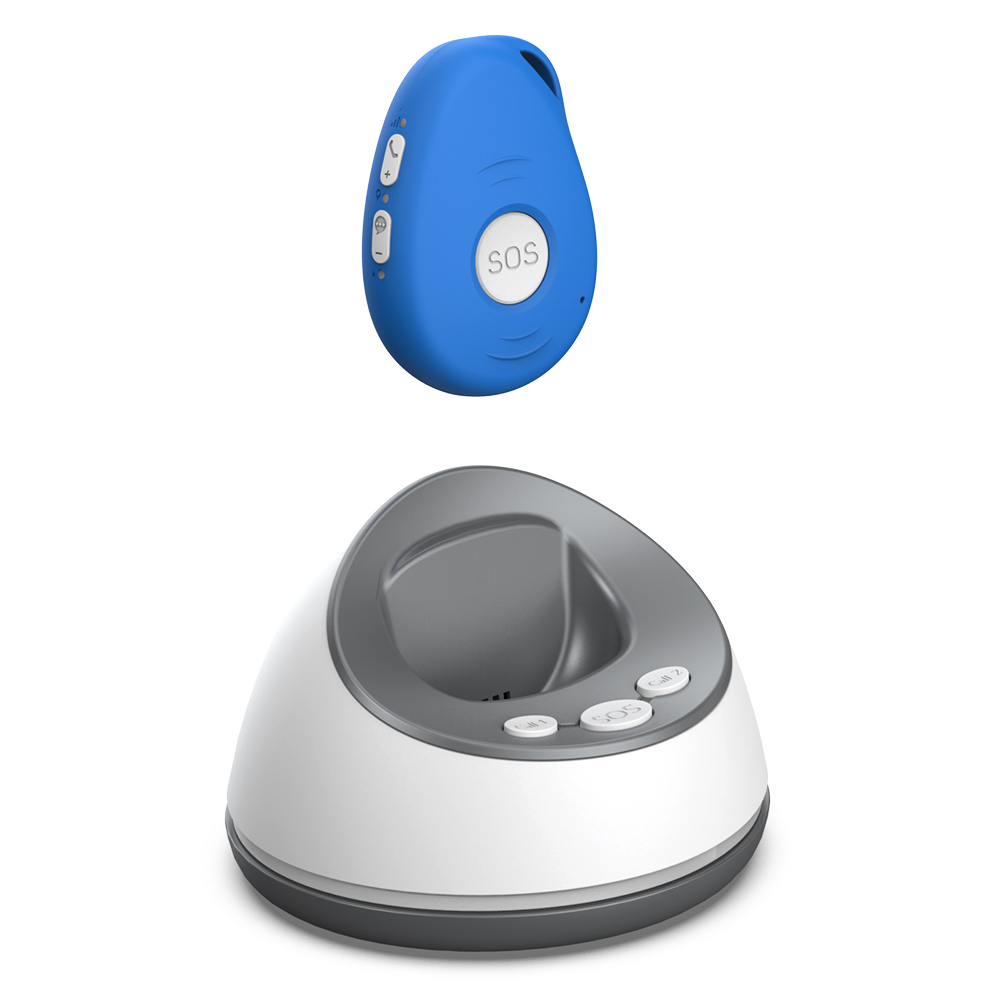
For New Zealanders, the choice of provider matters because the emergency response infrastructure needs to work with local services. A system designed for the United States or Europe may not integrate well with New Zealand's ambulance dispatch or mobile networks. That is why looking at New Zealand-based options like Familyr makes sense. They understand the local context, the geography, and the expectations of families here.
Final Thoughts
Medical alarms are not just gadgets for the very frail or the very old. They are practical tools for anyone who wants to age in place with confidence. They give seniors the freedom to live their lives without constant supervision, and they give families the peace of mind that comes from knowing help is never far away. The technology has matured to the point where it is affordable, reliable, and genuinely easy to use. There is no good reason to wait for a fall or a scare to start the conversation. The best time to think about senior safety is before you need it, not after.